
Our Facilitators
SDG 360 Facilitators
SDG 360 Thinking advances sustainability, equity, and prosperity through a network-of-networks approach to capacity building and leadership development. This approach strengthens the effectiveness and connectedness of existing organizations, institutions, and community networks already engaged in SDG-related work.
Each year, we prepare global leaders through structured learning and applied training pathways. Participants engage deeply with the SDG 360 framework, explore real-world case examples, and apply the approach to challenges within their own organizational or community contexts. Leaders who complete course and facilitation requirements are eligible to receive an SDG 360 Facilitator Certificate, reflecting both conceptual understanding and practical readiness.
Certified facilitators are prepared to lead SDG 360 Thinking efforts within and across organizations. Depending on their background and availability, facilitators may:
- lead SDG 360 Thinking workshops or training sessions
- support strategic thinking, SDG localization, and cross-sector collaboration
- assist organizations or communities in using SDG 360 for reflection, planning, and communication
- serve as consulting or thought partners on sustainability, equity, and systems-oriented initiatives
We list certified facilitators here to make the growing SDG 360 network visible and accessible. This page supports partners, educators, and organizations in connecting with facilitators whose experience, location, and expertise align with their needs, while honoring the relational and collaborative labor through which SDG 360 Thinking travels across contexts.
Meet Our SDG 360 Facilitators
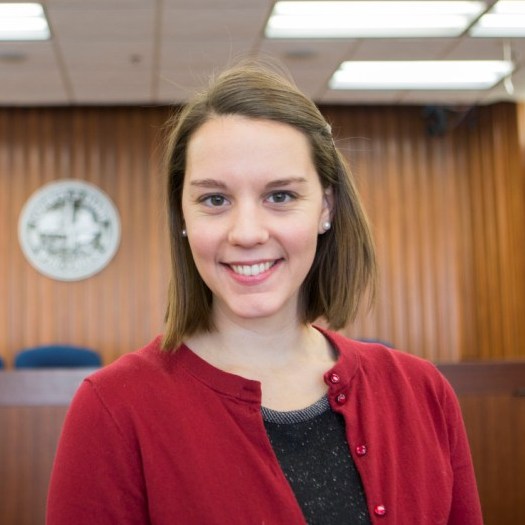
Abby Becker is the senior associate for communications and outreach at UniverCity Alliance, a program at UW–Madison that connects local governments with university resources. She is responsible for sharing stories of impact from UniverCity Alliance partner communities and on-campus partners. She developed an interest in supporting local governments after reporting on the city of Madison and Dane County for the Cap Times for over five years. Originally from St. Louis, Missouri, she moved to Madison to attend the UW–Madison, where she gained a bachelor’s degree in journalism.
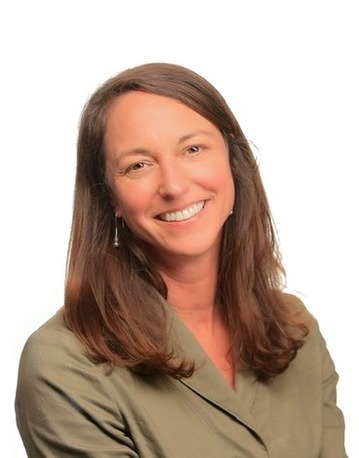
Connie Bolte is a Program Manager with the Belmont Forum, an international partnership of funding organizations, where she contributes as part of her AAAS Science & Technology Policy Fellowship. With over 20 years of experience spanning research, education, and program management, she specializes in developing capacity-building initiatives and facilitating transdisciplinary collaborations addressing global environmental challenges. At the Belmont Forum, Dr. Bolte coordinates Collaborative Research Actions, ensuring effective communication between international funding agencies and research teams while designing convenings that bring together diverse stakeholders. She leverages her expertise in research and policy to strengthen multilateral engagements and foster partnerships across disciplines, sectors, and geographic boundaries.
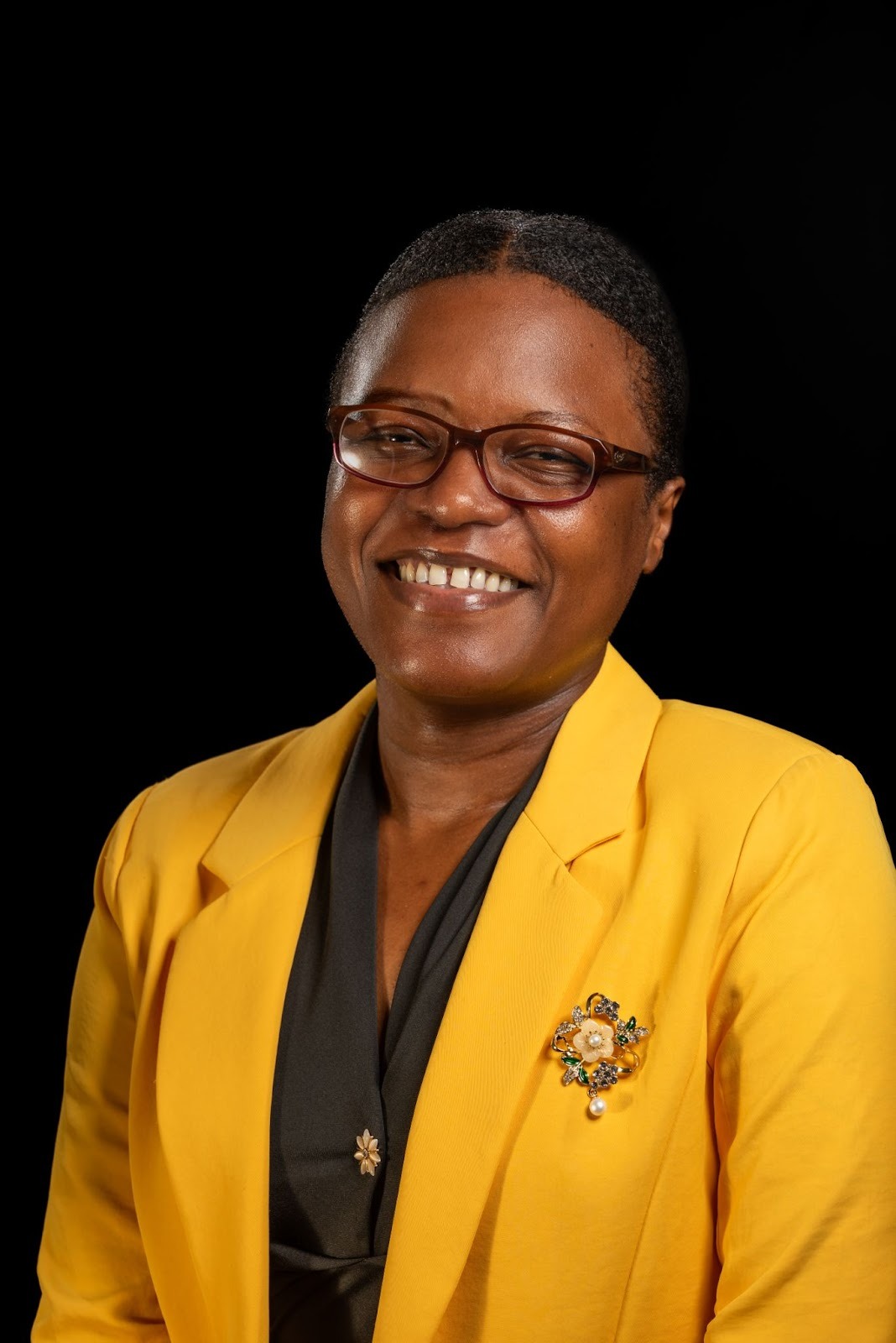
Anne-Teresa Birthwright is the Lead for the Belmont Forum’s Advancing Leadership Program (ALP). Based in Jamaica, she specializes in rural livelihoods, climate vulnerability, and adaptation. She is deeply committed to action-oriented transdisciplinary research that bridges science, policy, and community resilience. A former Inter-American Institute for Global Change Research (IAI) STeP Fellow, she has supported regional capacity building efforts in science diplomacy and also contributed to key national climate policy documents. Beyond academia, she serves as the Director of Programs for the IWCA Jamaica, co-leading grant-funded initiatives to strengthen the capacity of women coffee farmers.
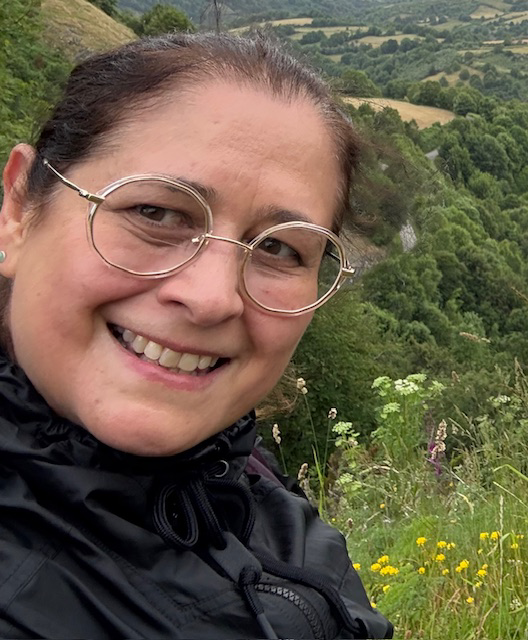
Andrea Chavez, with a Ph.D. in Geography and an M.A. in Political Science, has devoted her professional career to capacity-building initiatives through applied research, training, and extension activities focused on climate change variability and vulnerability, environmental public policies, biodiversity conservation, indigenous communities, and remote sensing. During her Ph.D. research, she focused on the importance of government policies for land use decision-making in Peruvian frontier areas. Andrea has worked on establishing a community of practice on infrastructure governance in Peru, Colombia, Brazil, and Bolivia. She is affiliated with the Tropical Conservation and Development Program at the University of Florida. As the EPIC-LAC Regional Coordinator, Andrea supports a university-community collaboration model to advance education, sustainable development, and stakeholder participation approaches across Latin American universities. Andrea strongly believes in the importance of the relationship between science and society, fostering a deep understanding of practice, theory, and policy

Emma Contreras is currently a junior at the University of Wisconsin–Madison working towards her Bachelor of Science in Educational Policy Studies and a double major in Environmental Studies. She is also earning certificates in American Indian & Indigenous Studies, Gender & Women’s Studies, and Public Policy. She hopes to work in reforming curriculum and the American school system to make learning more effective and address social inequities through a policy analyst career. She will be continuing her studies at the University of Wisconsin–Madison School of Education in the Educational Leadership and Policy Analysis graduate program, Class of 2028.
Ada Inman is the Communication and Programs Manager for the Educational Partnerships for Innovation in Communities Network (EPIC-N). In this role, she supports EPIC-N members and programs throughout their exploration and use of the EPIC Model. She leads member engagement efforts and manages organizational communications. Along with these roles, she also provides support to the EPIC-N Board of Directors, in addition to the three regional coordinators. Ada is a recent graduate of the University of Wisconsin–Madison where she obtained a degree in Environmental Studies and International Studies along with a certificate in Public Policy.
Caroline Kleinfox is the Director of Special Projects at the United Nations Foundation, where she leads the American Leadership on the SDGs initiative to connect local action with national and global progress. She has worked on advancing the Global Goals in the U.S. since 2016, building networks that empower community leaders and institutions to share knowledge, collaborate, and shape policy. Caroline spearheaded USAforSDGs.org, a national platform for elevating local stories, and created Tiny Mic, Big Goals, a social media pilot amplifying local-to-global goal setting. She is passionate about turning community insights into national and global action. Caroline holds an MPA from Columbia University and a B.A. from Smith College, and lives in Maryland with her spouse and two daughters.
Nathan Larson serves as teaching faculty and co-chair of the Landscape and Urban Studies program in the Department of Planning and Landscape Architecture at UW–Madison. He is also the principal of Restorative Places, a nonprofit focused on designing, developing, and growing outdoor learning environments and programming that support health and well-being. Over the past 25 years, he has worked with colleagues and community partners to help establish and grow vibrant garden-based education programs and networks including the Troy Kids’ Garden, Wisconsin School Garden Network, national School Garden Support Organization Network, and World School Garden Network. He is the author of Teaching in Nature’s Classroom: Principles of Garden-Based Education.
Kevin Orner is an Assistant Professor at West Virginia University in the Department of Civil & Environmental Engineering. Dr. Orner served for two years as a Water and Sanitation Engineer in the Peace Corps in Panama, was awarded a Fulbright Research Grant, and was a postdoctoral researcher at the University of California, Berkeley. Dr. Orner recently received a NSF CAREER award and conducts research on decentralized wastewater treatment, septage management, lagoon nutrient management, resource recovery, workforce development, and engineering education.
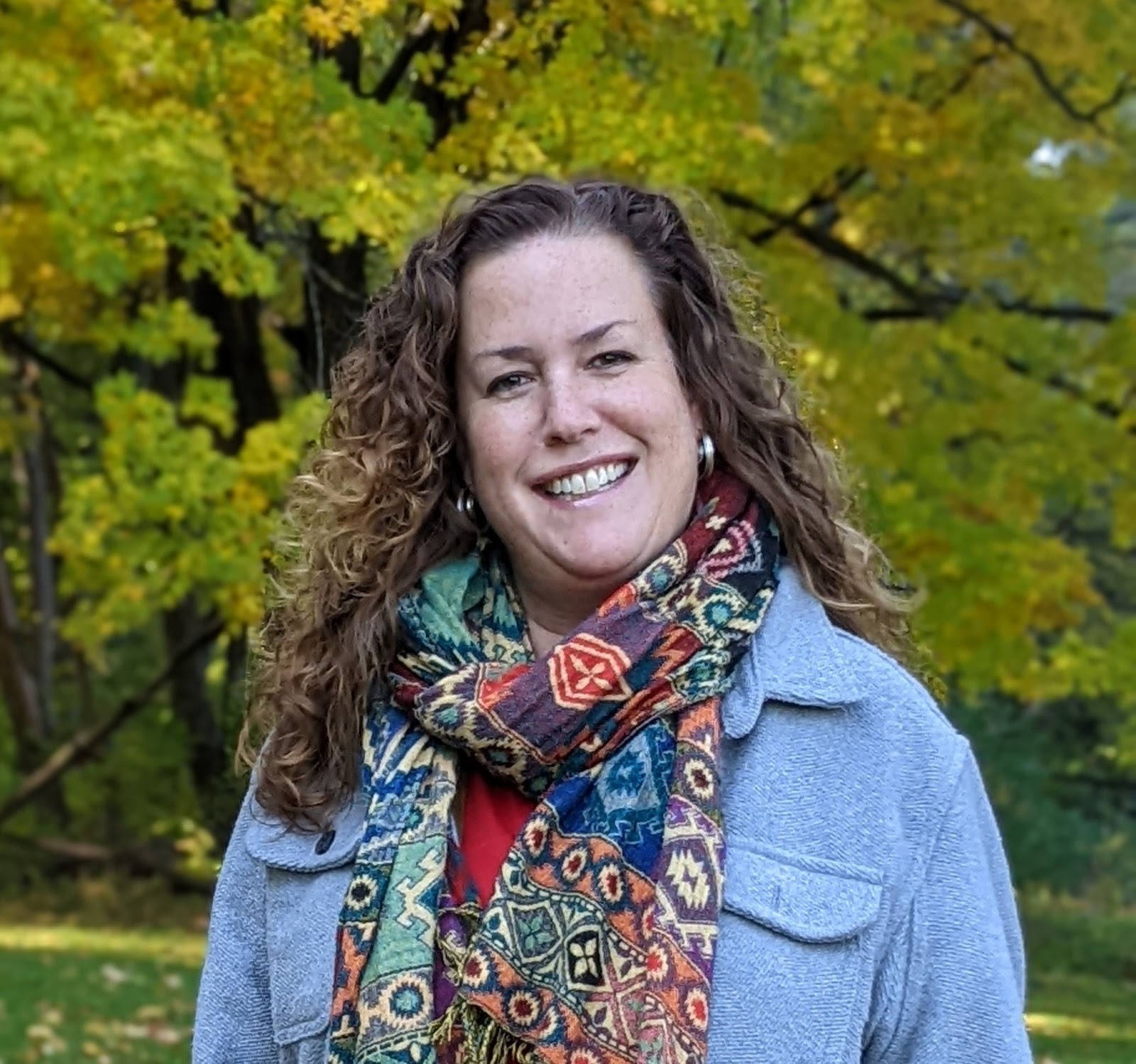
Leslie Quevedo is the Positive Youth Development Educator with UW–Madison Division of Extension in Milwaukee County. In her role, she is responsible for designing, delivering and evaluating research-based educational programming and services that are culturally relevant and responsive to the needs of the communities she serves. She is the founder and Director of the Growing Connections program, a youth leadership program focused on community placemaking, youth empowerment and making connections between the local ecology, food and overall wellness. Additionally, she works with students involved in the juvenile justice system to prepare, maintain and harvest garden beds within their school, as well as understand how limitations within the facility and changes to the climate affect food production. Leslie holds a Bachelor’s degree in Spanish from UW–Madison and a Master’s degree in secondary education from Pace University.

Brooke Ryan is a senior at the University of Wisconsin–Madison pursuing her Bachelor of Science in Global Health and French. She has conducted various French translation projects to better understand the impact of language in how we communicate and execute public health interventions at various levels of governance. She hopes to work in the health policy sector, advancing sustainable and equitable national and international health solutions.

Sathvi Sri is a fourth-year Global Health major at UW–Madison with a Certificate in Environmental Studies. She has served as an Undergraduate Teaching Fellow, a student researcher in the UW Laryngeal Physiology Lab, and is currently Co-Director of Global Partners for Community Health and Empowerment as well as the Outreach Coordinator at PAVE-UW. Her work focuses on equitable healthcare, community-driven initiatives, and advancing women’s health through research and policy. She hopes to work to address systemic inequities, advance women’s rights, and is committed to promoting health equity through research and advocacy.
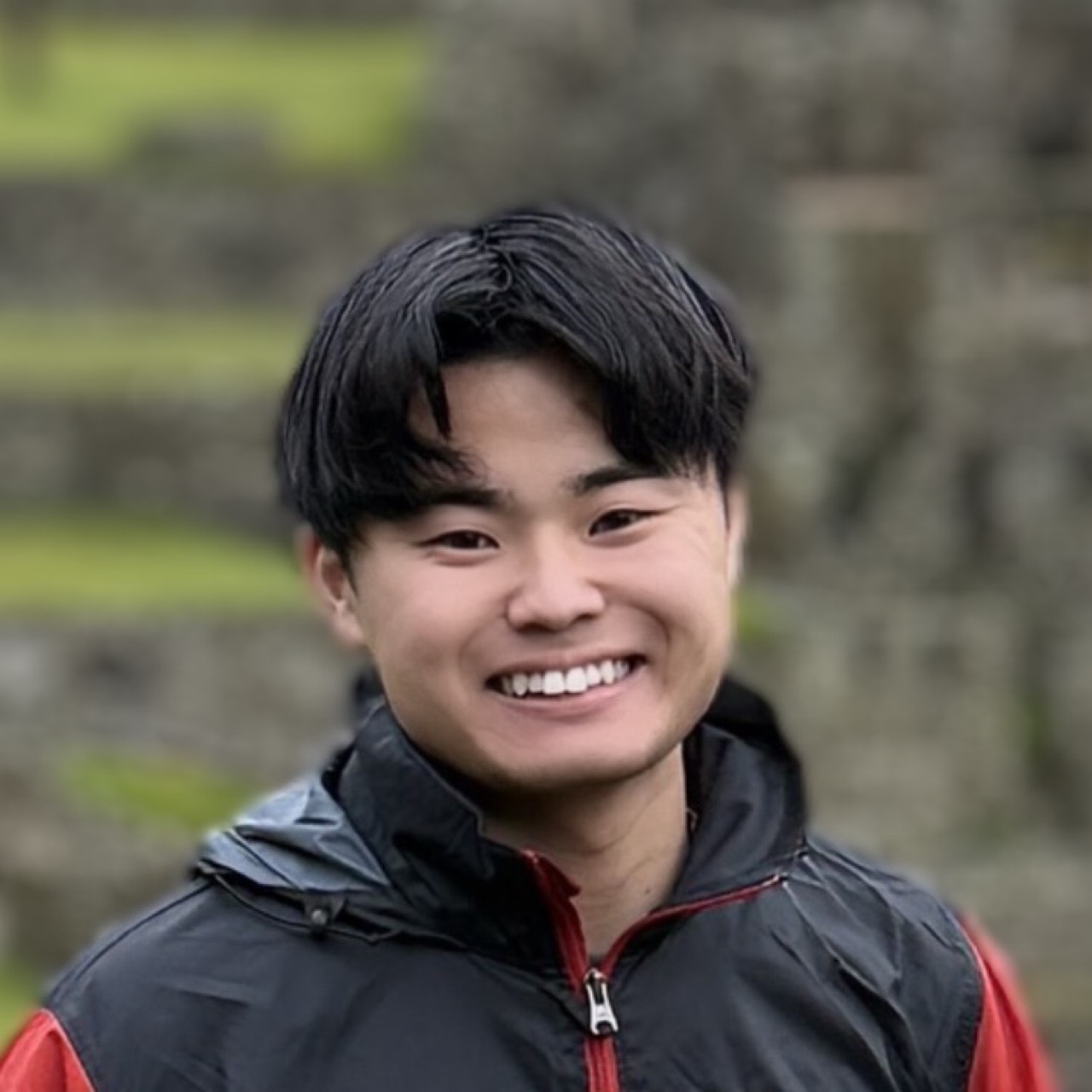
Yuuta “Ethan” Tomooka is a senior pursuing a degree in Computer Science at the University of Wisconsin–Madison, with certificates in Science Communication and Entrepreneurship. He serves as the Japan Outreach & Implementation Lead for SDG 360 Thinking, focusing on adapting and translating the framework for use in Japan and building partnerships with local governments, universities, and regional organizations. His interests include connecting emerging technologies, policy, and institutional decision-making to strengthen public-sector implementation and address complex social challenges. As part of the SDG 360 Thinking team, he contributes to outreach strategy, Japanese translation, methodology localization, and the development of pilot initiatives in Japan.
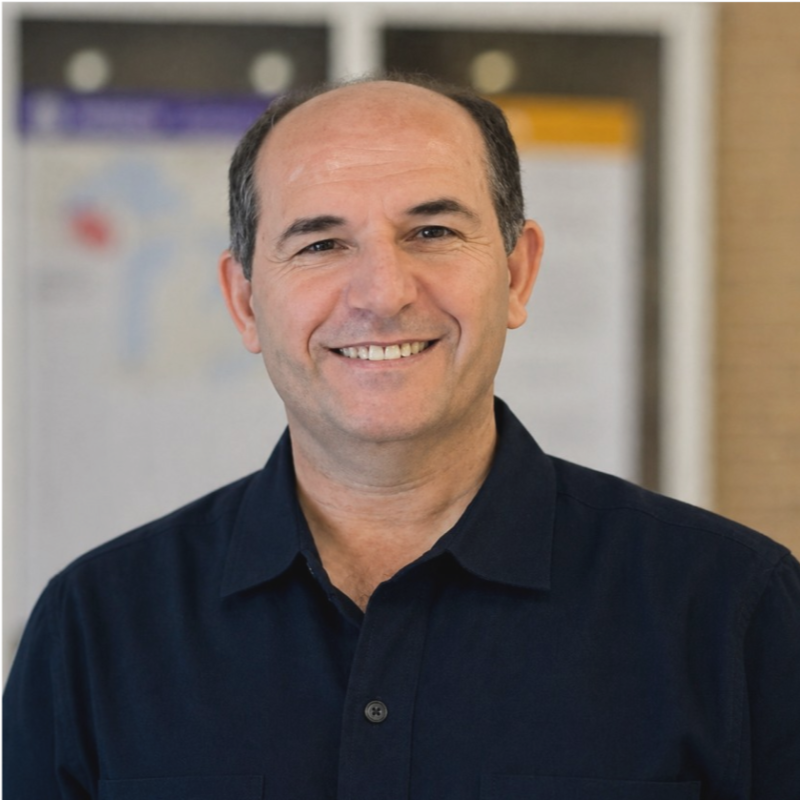
Hadi Veisi serves as an Assistant Professor of Environment and Society at the University of Wisconsin–Stevens Point, where he advances teaching and research at the intersection of sustainability, community development, and natural resource policy. His work focuses on collaborative and community-based approaches to sustainability transitions, examining how participatory governance and local innovation can drive progress toward the UN Sustainable Development Goals (SDGs). Dr. Veisi’s research integrates social–ecological systems thinking with empirical analysis to address complex challenges in energy transitions, sustainable food systems, and climate adaptation. His work emphasizes how local actors—farmers, communities, and institutions—collectively navigate environmental and social change through adaptive management and equity-centered policies. In the classroom, he engages students in systems thinking and experiential learning to connect global sustainability frameworks with local action.